FiledARCHERLWAA160 · OCT 02, 2026, 04:39
Cell Energy, Cell Functions Discover Science At Scitable
Cell Energy, Cell Functions Find Out Scientific Research At Scitable Everlywell supplies health and health remedies consisting of laboratory screening for wellness surveillance, informative and educational usage. With the exception of particular analysis test panels, list offered here, the examinations we offer accessibility to are not planned to diagnose or treat disease. None of our examinations are meant to be a replacement for seeking specialist clinical guidance, aid, medical diagnosis, or therapy. Obtain understandings on food digestion, metabolic rate, brain health and wellness, and a lot more-- plus AI-powered diet and way of life suggestions tailored to you. The web content of this internet site is offered general informational objectives just and is not meant as, nor should it be considered a substitute for, specialist clinical advice. Do not utilize the information on this website for diagnosing or treating any type of clinical or wellness associated condition. To handle excess energy, the body can produce brand-new fat cells via a process called hyperplasia. Now, researchers in the Sloan Kettering Institute lab of Frederic Geissmann have made a crucial discovery concerning this power guideline procedure. In mice, they identified a molecular healthy protein called PDGF-CC that indicates the adipocytes to take in much more fat.
What Does Adipose Tissue Appear Like?
As you drop weight, cells make use of fat gets to sustain the body's different features, such Neck tightening as breathing, absorbing food, or walking to your mailbox. As mentioned previously, this enzyme is accountable for converting fatty acids right into fatty acyl-CoA-- a critical step in enabling mitochondria to produce power from the break down of fats. Once fats are exchanged fatty acyl-CoA, they can then be delivered throughout the mitochondrial membranes to the internal component of mitochondria-- called the mitochondrial matrix. When energy is bountiful, eukaryotic cells make larger, energy-rich molecules to store their excess power.What are the largest fat loss errors?
- Bear in mind: your drop in weight does not constantly mirror fat loss.Mistake 2: overestimating calories burned.Mistake 3: not getting sufficient protein.Mistake 4: relying on cardio.Mistake 5:
- avoiding sleep and recovery.Mistake 8: not tracking your intake.Ready to take action? Utilizing a digital pedometer to track your steps. & #x 201c; After concerning 30 to 60 minutes
- of cardiovascular workout, your body begins burning mostly fat, & #x 201d; Dr. Rifai discusses.( If you're exercising reasonably, this takes
concerning an hour. )If all that workout really feels out of grab you, start slow-moving and develop your method up.
Function
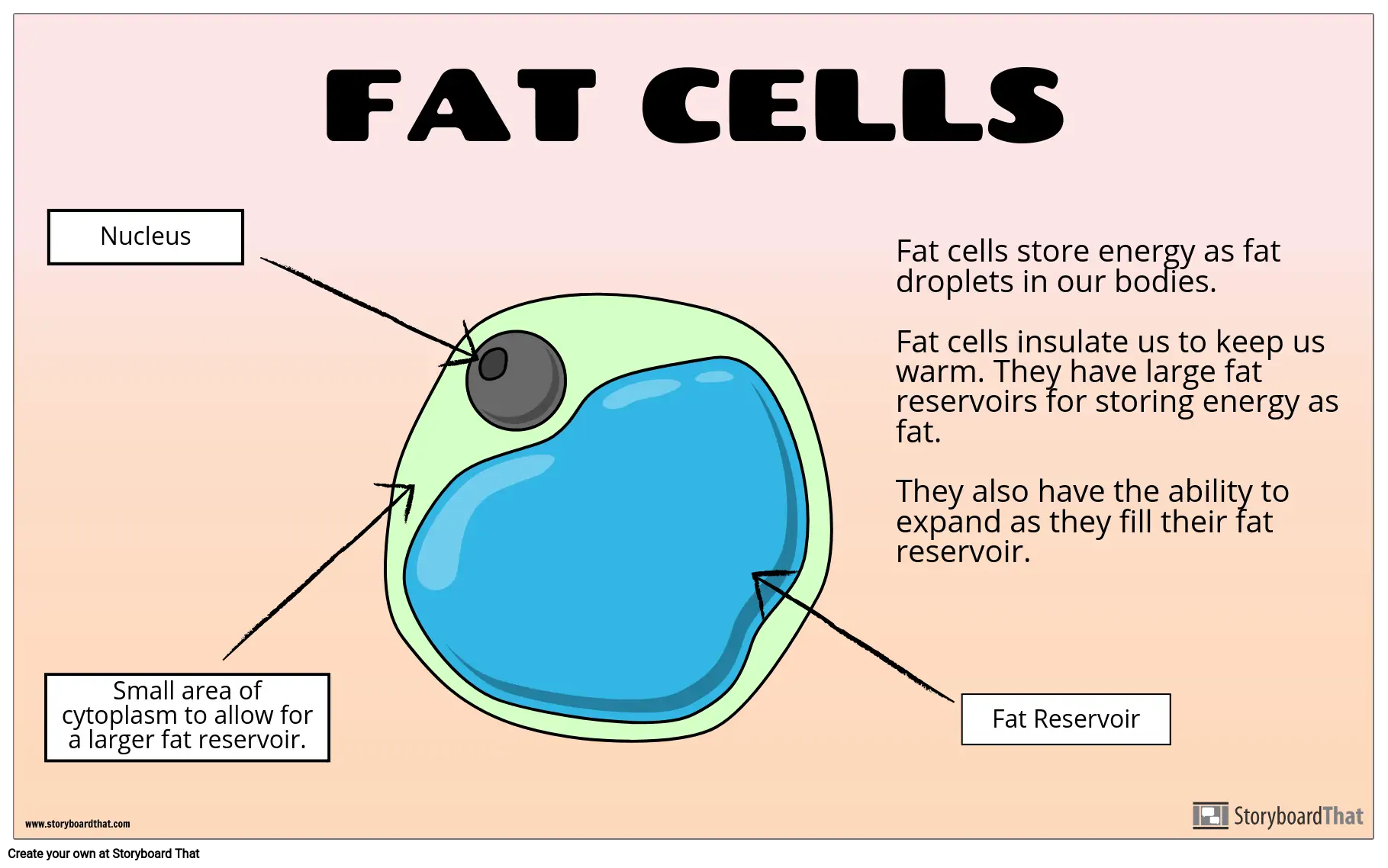
Adrenaline release during workout, specifically HIIT (High Intensity Interval Training), as a result enhances the failure of fat stores and is an effective method of decreasing body fat percentage. As necessary, fats are important both as a gas resource for exercising muscle mass and as an energy store for times of requirement (e.g. throughout fasting). In order to give a cell with power, these molecules have to pass throughout the cell membrane layer, which functions as a barrier-- yet not a blockaded one. Like the exterior wall surfaces of a home, the plasma membrane is semi-permeable. Metabolic compensation isn't the only manner in which your body's can avoid weight management or encourage weight gain. Beta oxidation is likewise vital as the key regulator of motion with the pyruvate dehydrogenase (PDH) complex. Researchers concentrated on the brain, particularly a hypothalamic protein and insulin receptor called TCPTP, observing the results of restricting or reducing TCPTP during meals. Fat cells play a vital role in the storage space and launch of energy throughout the human body. Study recommends that variants of your ACSL5 genetics impact the levels and activity of your ACSL5 enzyme. This, consequently, influences exactly how effectively your cells can use fatty acids for power. As soon as fats have been converted into fatty acyl-CoA and transferred right into mitochondria, they can after that be made use of to produce ATP-- our cells' energy currency. The process of transporting fatty acyl-CoA across the mitochondrial membrane layers is promoted by numerous transport healthy proteins. A few of these transporter proteins (e.g. CPT1 and CTPII) utilize an amino acid called carnitine.- Your fat metabolic process (beta oxidation) quality analyzes just how properly your muscular tissue cells can use fatty acids as a source of fuel.
- Athletes who "carbo-load" by eating pasta the night before a competition are attempting to increase their glycogen books.
- Throughout exercise and durations of fasting, our bodies damage down fat shops to launch fats, which can then be utilized by muscles for gas.
- It is much easier to preserve your collection factor weight due to the fact that your body wants to stay at that point-- not reduce weight.
Ends · ARCHERLWAA160